






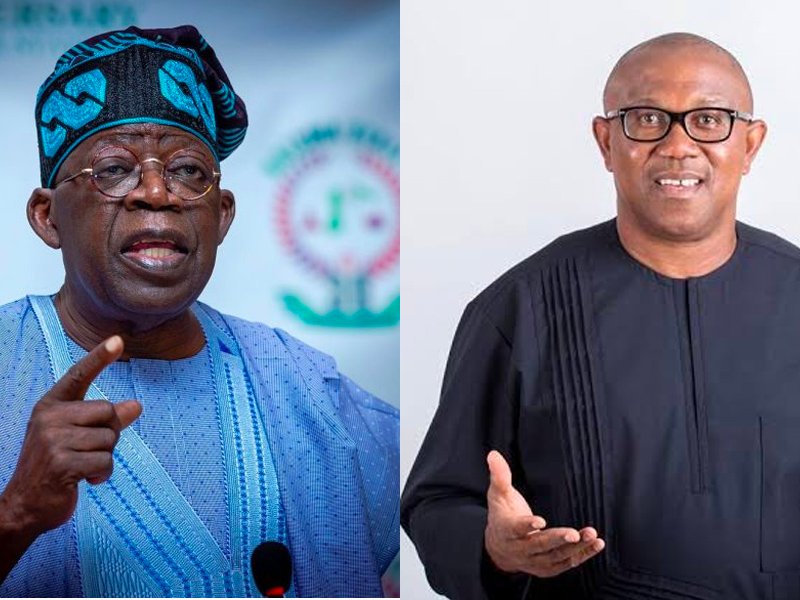
As Nigeria prepares for another crucial election cycle, political tensions ahead of elections have become one of the country’s most talked-about issues. Across several states, political parties are intensifying campaigns, supporters are becoming more vocal, and security agencies are increasing surveillance to prevent violence.
Although elections are a cornerstone of democracy, periods leading up to major polls often bring heightened emotions, political rivalry, misinformation, and concerns over public safety.
In this article, we examine why political tensions are rising, the possible consequences, and what Nigerians should expect as election season gathers momentum.
Why Political Tensions Rise Before Elections
Election periods naturally increase political activities. Political parties compete for public support through campaigns, rallies, debates, media appearances, and grassroots mobilization.
However, tensions often increase because of factors such as:
- Fierce competition among political parties
- Allegations of vote-buying
- Internal party disputes
- Defections by prominent politicians
- Ethnic and religious sentiments
- Spread of misinformation on social media
- Concerns about election security
These issues can create uncertainty if not properly managed.
Security Agencies on High Alert
Security agencies have consistently assured Nigerians that adequate measures are being put in place to maintain peace before, during, and after elections.
Their responsibilities include:
- Protecting voters
- Securing electoral materials
- Preventing violence at polling units
- Arresting political thugs
- Monitoring campaign activities
Authorities have repeatedly warned politicians and supporters against inciting violence or disrupting the electoral process.
The Role of INEC
The Independent National Electoral Commission (INEC) remains responsible for organizing free, fair, and credible elections.
Its major responsibilities include:
- Voter registration
- Distribution of Permanent Voter Cards (PVCs)
- Accreditation of voters
- Conducting elections
- Announcing official results
INEC has continued to encourage political parties to comply with electoral laws while assuring citizens of its commitment to transparent elections.
Social Media and Political Misinformation
Social media has transformed political campaigns in Nigeria.
While it allows candidates to communicate directly with voters, it has also become a major source of misinformation.
Common challenges include:
- Fake election results
- Edited videos
- False statements attributed to politicians
- Hate speech
- Fake campaign promises
- Manipulated images
Experts advise Nigerians to verify political information using credible news sources before sharing online.
Election Violence Remains a Major Concern
One of the biggest fears ahead of elections is political violence.
Past elections have witnessed incidents including:
- Clashes between party supporters
- Destruction of campaign offices
- Attacks on electoral officials
- Ballot box snatching
- Voter intimidation
Although security has improved in many areas, authorities continue to urge all stakeholders to maintain peace.
Economic Impact of Political Uncertainty
Political uncertainty often affects the economy.
Businesses may postpone investments due to uncertainty, while consumers may reduce spending until after elections.
Possible economic effects include:
- Reduced investor confidence
- Currency volatility
- Delayed government projects
- Slower business activities
- Market uncertainty
However, peaceful elections generally help restore investor confidence quickly.
The Importance of Peaceful Campaigns
Political campaigns are expected to focus on ideas rather than personal attacks.
Peaceful campaigns help:
- Strengthen democracy
- Promote issue-based politics
- Reduce violence
- Encourage voter participation
- Improve Nigeria’s international image
Political leaders have a responsibility to discourage supporters from engaging in violence.
What Voters Should Do
Every eligible Nigerian voter has an important role to play.
Citizens are encouraged to:
Verify Information
Avoid spreading unverified political news.
Collect PVCs
Eligible voters should ensure they possess valid voter identification where required for participation.
Avoid Violence
Do not participate in political thuggery or unlawful activities.
Respect Election Officials
Follow instructions given by election officials at polling units.
Report Suspicious Activities
Any attempt at voter intimidation or electoral malpractice should be reported to appropriate authorities.
The Role of Traditional and Religious Leaders
Community leaders continue to play an important role in promoting peaceful coexistence during election periods.
They often encourage:
- Dialogue
- Peaceful participation
- Respect for election outcomes
- Community unity
Their influence can help reduce tensions within local communities.
Challenges Facing Nigeria’s Electoral Process
Despite improvements over the years, several challenges remain.
These include:
- Electoral violence
- Logistics delays
- Vote buying
- Fake news
- Cyber misinformation
- Legal disputes after elections
- Low voter turnout in some areas
Addressing these issues requires cooperation among government institutions, political parties, civil society organizations, the media, and citizens.
Why Peace Matters
Peaceful elections benefit everyone.
When elections are conducted peacefully:
- Citizens vote freely.
- Businesses operate normally.
- Investors gain confidence.
- Democratic institutions become stronger.
- National unity improves.
Nigeria’s democratic progress depends not only on electoral outcomes but also on the conduct of political actors and citizens throughout the election period.
Looking Ahead
As election activities continue across the country, Nigerians remain hopeful for peaceful, transparent, and credible polls. Political competition is a normal part of democracy, but it should never come at the expense of public safety or national unity.
Citizens, political parties, electoral authorities, security agencies, civil society organizations, and the media all have important roles to play in ensuring that elections are conducted in accordance with the law and that disagreements are resolved peacefully.
By prioritizing dialogue, respecting democratic institutions, and rejecting violence and misinformation, Nigeria can strengthen public confidence in its electoral process and continue building a more stable democratic future.
Frequently Asked Questions (FAQs)
Why do political tensions increase before elections in Nigeria?
Political tensions often rise because of intense competition among political parties, campaign activities, misinformation, concerns about electoral integrity, and heightened public interest in election outcomes.
How can voters stay safe during elections?
Voters should follow guidance from security agencies and election officials, avoid confrontations, verify information before sharing it, and report suspicious activities through appropriate channels.
What is INEC’s role during elections?
INEC is responsible for organizing elections, registering voters, accrediting eligible voters, managing polling processes, and officially announcing election results.
How does misinformation affect elections?
False or misleading information can create confusion, increase distrust, inflame tensions, and influence public opinion based on inaccurate claims.
What can political parties do to reduce tensions?
Political parties can encourage issue-based campaigns, condemn violence, respect electoral laws, and urge supporters to resolve disputes peacefully.
SEO Keywords: political tensions ahead of elections, Nigeria elections 2026, election security in Nigeria, peaceful elections, INEC, election violence, political campaigns, voter safety, democracy in Nigeria, electoral process Nigeria.